

Struggling silently after birth? You’re not alone. This post explores the unspoken weight of postpartum depression (PPD) in Black motherhood, why naming it matters, and how healing starts with acknowledgment.
Postpartum Depression in the Black Community
In our culture, we’ve often heard this:
“If you don’t claim it, it won’t control you.”
But here’s what I’m learning in healing spaces—if you don’t name it, you give it room to quietly rule your life. You can’t ignore something into disappearing. Denial doesn’t stop the pain; it just buries it deeper.
Postpartum Depression (PPD) is real.

And according to the latest research, it can last up to three years after giving birth.
That truth is heartbreaking when we realize how many relationships don’t survive that first year of parenthood. So many Black mothers are silently carrying PPD or PPA (postpartum anxiety), doing everything in their power to hold it together—yet avoiding naming what could be the very key to their healing.
Let me be honest here:

I’m no rookie to trauma.
Between abandonment wounds and years of carrying unresolved grief from losing members of my immediate family, I had no choice but to start building a life that centered healing before I even entered this stage of motherhood.
Yes, I had my vices. I had moments of survival.
But nothing could have prepared me for the heaviness of postpartum depression.
Thankfully, I had already been introduced to therapy and self-help resources before my baby came into this world, so when life threw me a curveball, I didn’t hesitate to call in a professional.
But I know—that’s not everyone’s story.
And that’s why we have to talk about this.
So what now?
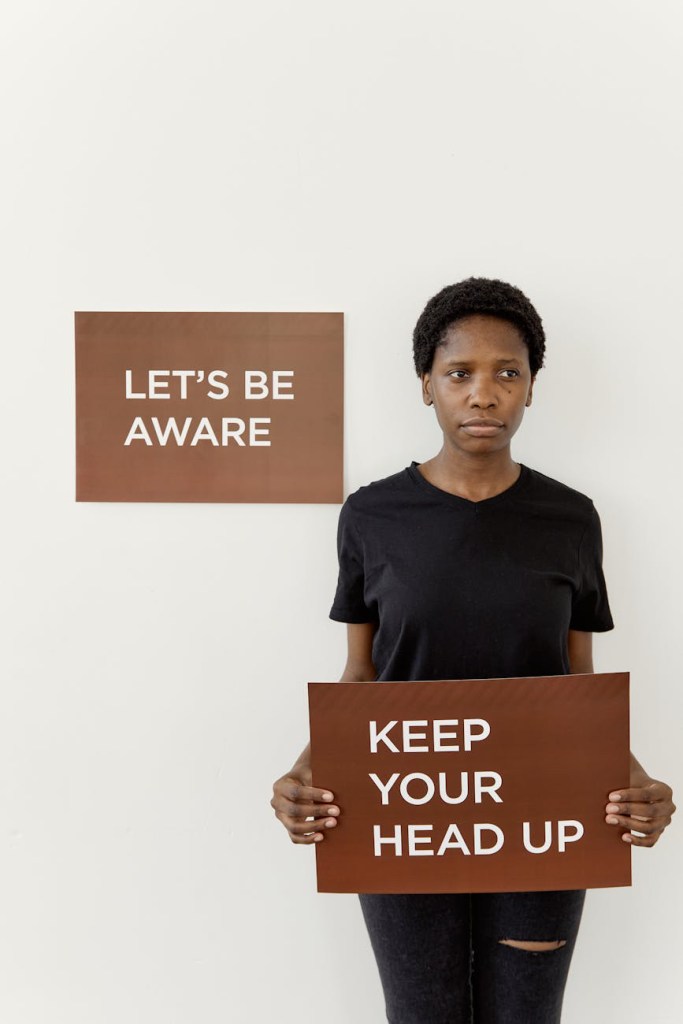
🌹Educate yourself on PPD and PPA.
🌹Learn the signs—not just the ones that look like sadness, but the ones that feel like anger, numbness, or constant overwhelm.
🌹Seek support from professionals who understand what Black motherhood really looks like.
So What Is PPD and PPA?

Postpartum Depression (PPD) and Postpartum Anxiety (PPA) are both clinical mood disorders that can affect women after childbirth. While many expect to feel joy, connection, and peace after having a baby, the reality for many mothers—especially Black mothers navigating stress, trauma, or lack of support—is very different.
According to the American Psychiatric Association, PPD is a form of major depression that begins within the first few weeks after giving birth, though it can develop anytime within the first year and last far beyond that if untreated. Postpartum Anxiety is less discussed but just as real—and it often shows up alongside or instead of depression.
What Does PPD Feel Like?
PPD isn’t just about feeling sad. It’s a full-body, full-life experience that can feel like:
- Crying often without a clear reason
- Irritability or anger that feels hard to control
- Feeling disconnected from your baby or guilty for not bonding “the right way”
- Fatigue that doesn’t go away, even with rest
- Changes in appetite or sleep (either too much or too little)
- Thoughts of hurting yourself or feeling like your baby or family would be better off without you
- Persistent feelings of sadness, hopelessness, or emptiness .
What Does PPA Feel Like?
Postpartum Anxiety is marked by intense, racing worry that feels like it won’t turn off. You might notice:
- Trouble sleeping even when your baby is asleep
- Physical symptoms like a racing heart, shortness of breath, or nausea
- Constant worry that something terrible will happen
- Racing thoughts, especially about your baby’s safety
- Feeling on edge or restless
According to Postpartum Support International (PSI), about 1 in 7 women experience PPD, and up to 10% experience postpartum anxiety—though rates may be even higher in Black communities due to underreporting and lack of culturally informed care.
When Should You Seek Help?
If you’re experiencing:
- Symptoms lasting more than 2 weeks
- Feelings of detachment from your baby
- Inability to function in daily life
- Thoughts of harming yourself or your baby
- Intense anxiety that won’t let you rest
Please don’t wait.
These are not signs of weakness—they are signals that your nervous system is overwhelmed and needs care.
You can start by speaking to your OB/GYN, a licensed therapist, or using platforms like TherapyForBlackGirls.com (a directory that centers our stories and our healing) or Postpartum Support International to find a specialist trained in perinatal mental health.
Naming it might just be your first step to becoming the healed, whole woman you were always meant to be.
Your Healing Starts with One Brave Step
If anything in this post resonated with you—pause and take a breath. This is your permission to stop pretending you’re okay when you’re not. You don’t have to carry this silently.
🫶🏽Start by naming what you feel.
✍🏽Write it down. Speak it aloud. Pray over it.
👉🏾Then take action—reach out, ask questions, find your support.
You are not alone. And you don’t have to stay in survival mode.
Want to share your story or continue this conversation in community?
Join me over at The Circle of Becoming—a safe space where healing is honored, and becoming is a journey we take together.








 The Circle of Becoming: Self-Discovery •Becoming • Purpose
Leave a comment